
A dog eating poop, also called coprophagia, is relatively common, particularly in puppies. While eating feces does not automatically mean that a dog will become sick, it can expose the dog to parasites, infectious organisms, and other material that may be present in the stool.
The risk depends partly on whose feces the dog is eating and whether that animal is carrying an infection or parasite.
Some dogs eat poop occasionally and show no obvious side effects. Others may develop digestive upset, diarrhea, vomiting, or other problems after ingesting contaminated feces.
Eating stool repeatedly can also make it easier for certain intestinal parasites to be acquired or passed around in a household or group of dogs.
Table of Contents
Dog Eating Poop Side Effects: Why It Happens
The side effects of a dog eating poop can range from no noticeable reaction to gastrointestinal illness or parasite infection, depending on what was present in the feces and the dog’s health.
Coprophagia itself is often behavioral, especially in puppies. Dogs may investigate, scavenge, or develop a habit of eating feces.
However, medical problems that cause gastrointestinal upset, poor nutrient absorption, increased appetite, or poorly digested stools can also contribute to coprophagia.
The important point is that the side effects come primarily from what the dog consumes in the feces, rather than from the act of eating poop itself.
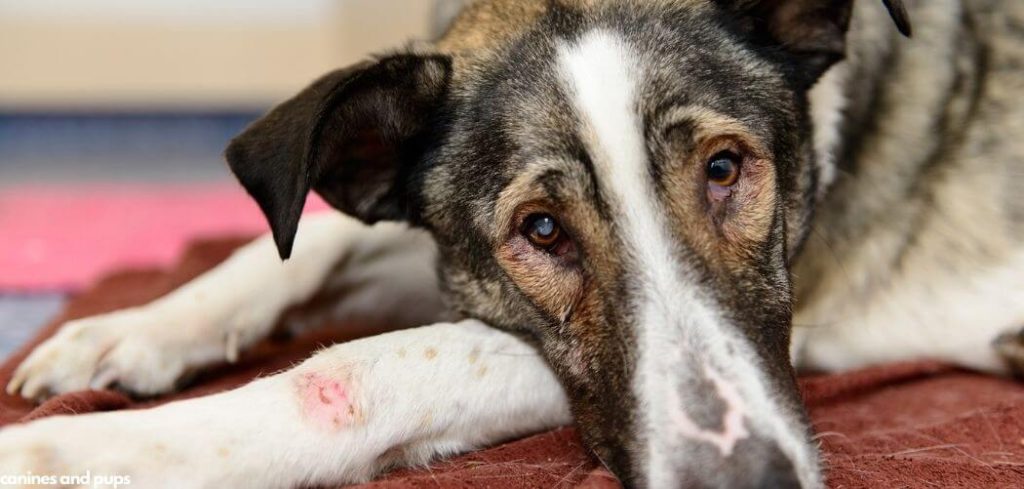
Common Side Effects of Dog Eating Poop
Upset Stomach
One of the possible side effects of eating poop is temporary gastrointestinal upset.
A dog may develop softer stools, diarrhea, vomiting, increased gas, or abdominal discomfort after eating feces.
This is more likely when the stool contains organisms or material that irritates the digestive tract.
A single episode of eating feces does not necessarily mean the dog will become ill, but digestive symptoms that persist or become severe deserve veterinary attention.
Related: Dog Eating Poop and Drinking Pee (Here’s why)
Diarrhea
Diarrhea can occur after a dog eats contaminated feces. Parasites, bacteria, and other infectious organisms can be transmitted through fecal-oral exposure.
Some infections cause mild digestive signs, while others can produce more persistent or severe diarrhea.
If diarrhea develops after repeated coprophagia, particularly in a puppy, fecal testing may be appropriate.
Related: Dog Eating Poop Bags (Why it happens)
Vomiting
Some dogs may vomit after eating something contaminated or difficult for their digestive system to tolerate.
Vomiting that happens once and resolves may not indicate a serious problem.
Repeated vomiting, vomiting accompanied by weakness, abdominal pain, dehydration, or diarrhea should be evaluated by a veterinarian.
Intestinal Parasites
One of the more important potential risks of eating another animal’s feces is exposure to parasites.
Dogs can acquire certain parasites through fecal contamination. Depending on the parasite, infection may cause diarrhea, weight loss, poor growth, anemia, or other signs. Some infected dogs show few or no obvious symptoms.
A dog that repeatedly eats feces may therefore have a higher opportunity for exposure, particularly when eating stool from unknown dogs or other animals.
Giardia and Other Protozoal Infections
Some intestinal protozoa spread through fecal-oral transmission. For example, Giardia cysts are passed in feces and can infect dogs that ingest contaminated material.
Infection may cause diarrhea, although some dogs can carry the organism without obvious illness.
Repeated exposure can also contribute to reinfection, particularly in environments where fecal contamination is common.
Bacterial Infections
Feces can contain disease-causing bacteria. Some bacteria can cause gastrointestinal illness in dogs, while others can be carried by dogs without obvious signs.
Campylobacter, for example, can cause watery or mucus-containing diarrhea, sometimes with blood, and young dogs may be more severely affected. The organism can also be transmitted to people.
This is one reason good hygiene and prompt removal of feces are important when a dog has a habit of eating stool.
Weight Loss or Poor Growth From an Underlying Problem
Weight loss is not usually a direct side effect of eating poop itself. Instead, it can indicate an underlying medical problem contributing to coprophagia.
Conditions that interfere with digestion or nutrient absorption can cause diarrhea, weight loss, altered appetite, and sometimes stool eating.
Exocrine pancreatic insufficiency and intestinal disease are examples of conditions that can produce malabsorption.
A dog that eats poop while losing weight should therefore be evaluated rather than assuming the behavior is simply a habit.
Anemia From Certain Parasites
Some intestinal parasites can cause blood loss. Hookworms, for example, can cause anemia and poor growth, particularly in puppies, and heavier infections may cause diarrhea and dark, tarry stools.
The presence of anemia is not an expected result of ordinary coprophagia, but eating contaminated feces can contribute to exposure to parasites that cause anemia.
Dog Eating Poop but Not Getting Sick
Many dogs eat poop without developing obvious side effects. This is particularly common when the dog eats its own stool and is otherwise healthy. A dog may continue to eat, drink, play, and behave normally afterward.
However, the absence of immediate symptoms does not prove that there was no exposure to parasites or infectious organisms.
Some intestinal parasites can cause few or no obvious signs, which is why persistent coprophagia may justify discussing fecal testing with a veterinarian.
Dog Eating Another Dog’s Poop
Eating another dog’s poop can carry a different level of risk from eating its own stool because the other animal may be carrying parasites or infections that your dog has not encountered.
Parasites and some infectious organisms are transmitted through fecal contamination. Dogs can ingest infective stages directly from contaminated feces or from an environment contaminated with fecal material.
The risk is particularly important when the source dog’s health, parasite status, and vaccination or preventive-care history are unknown.
Dog Eating Puppy Poop Side Effects
Puppies can be more vulnerable to complications from intestinal parasites and gastrointestinal illness.
Puppies may also eat feces as part of normal exploration, and coprophagia can sometimes resolve as they mature.
However, repeated stool eating in a puppy should be taken more seriously if it occurs with diarrhea, vomiting, poor growth, weight loss, a swollen abdomen, weakness, or changes in appetite.
A veterinarian may recommend fecal testing and review the puppy’s diet and parasite-prevention history.
Dog Eating Poop and Diarrhea
If your dog eats poop and develops diarrhea, the two events may be related, but the diarrhea should not automatically be blamed on coprophagia.
The dog may have acquired an intestinal infection or parasite, or the diarrhea may have started for an unrelated reason.
Persistent diarrhea can also indicate gastrointestinal inflammation, dietary problems, malabsorption, or other disease.
If diarrhea continues, becomes bloody, or occurs with vomiting, dehydration, weakness, or weight loss, veterinary evaluation is appropriate.
Read more: Dog eating poop and has diarrhea (Causes and what to do)
Dog Eating Poop and Vomiting
A dog that vomits shortly after eating poop may simply have gastrointestinal irritation, but repeated vomiting is more concerning.
Vomiting combined with diarrhea, abdominal pain, lethargy, dehydration, or refusal to eat can indicate a more significant gastrointestinal problem.
A veterinarian may need to determine whether an infection, parasite, dietary problem, or another condition is responsible.
Read more: Dog eating poop and throwing up (Why it happens)
When to Call or Visit the Vet
Contact your veterinarian if your dog’s poop eating is frequent, newly developed, or accompanied by other symptoms.
Veterinary evaluation is particularly appropriate if your dog has:
Persistent or recurring diarrhea
Repeated vomiting
Blood in the stool
Black or unusually dark stools
Weight loss or poor growth
Reduced appetite
Unusually increased appetite
Weakness or lethargy
A swollen or painful abdomen
Pale gums
Signs of dehydration
Persistent abnormal stools
Known exposure to a dog with parasites or an infectious disease
A puppy with repeated coprophagia and gastrointestinal symptoms
More urgent veterinary attention is appropriate when vomiting or diarrhea is severe, the dog becomes very weak, cannot keep water down, has significant blood in the stool, or appears seriously ill.
Dog Eating Poop Side Effects: Treatment
Treatment depends on whether the dog has developed an illness or whether the main problem is behavioral coprophagia.
A veterinarian may perform a physical examination and recommend fecal testing for intestinal parasites, with bloodwork or additional testing when symptoms such as weight loss, chronic diarrhea, anemia, or poor growth suggest an underlying disease.
If an infection or parasite is identified, treatment is directed at that specific condition; if the dog is otherwise healthy, management focuses on preventing access to feces, prompt stool removal, supervision, and behavior modification.
Key Takeaway
The possible side effects of a dog eating poop include digestive upset, diarrhea, vomiting, exposure to intestinal parasites, and exposure to infectious organisms.
Many dogs do not become visibly sick after eating feces, but the risk depends on what was present in the stool and whether the dog is repeatedly exposed.
If your dog eats poop occasionally but remains completely healthy, it does not necessarily mean that illness will follow.
However, persistent coprophagia accompanied by diarrhea, vomiting, weight loss, poor growth, blood in the stool, or other changes should be evaluated by a veterinarian to determine whether an underlying medical problem or parasite infection is involved.


